Separate the stages.
Specify the right model.
BENK now presents plastic washing lines and plastic pelletizing lines as separate, complete product families. Compare every capacity, model, utility requirement and output target before you decide whether to buy one stage or build a turnkey plastic recycling plant.
Wash, separate and dry the material before it reaches the extruder.
Choose a washing line by material type, contamination load, required flake size, drying target and downstream pelletizing capacity.
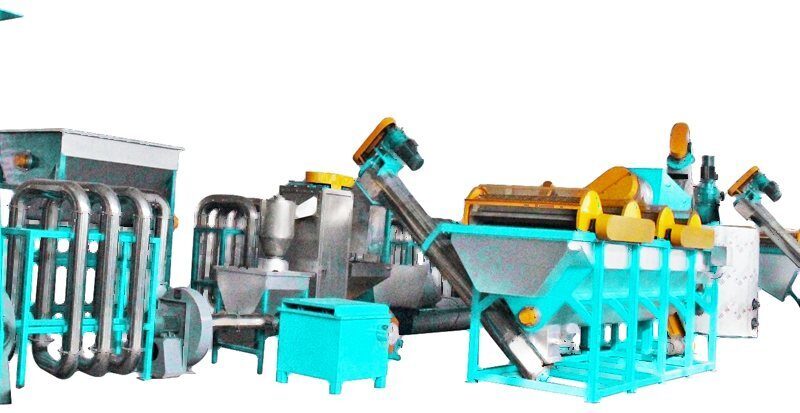 BENK-PWL-PET-1000
PET bottle washing line
Turn PET bales and loose bottles into clean, low-moisture flake with a six-model washing range from 500 to 6,000 kg/h.
View model range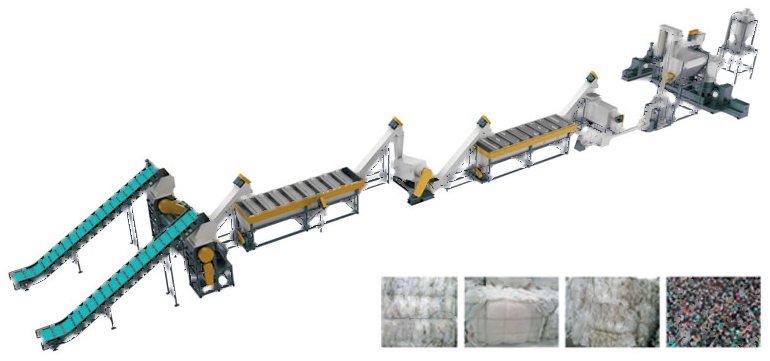 BENK-PWL-FLM-800
PE/PP film & woven bag washing line
Wash agricultural film, stretch film, woven bags and drip tape with a six-model range from 300 to 2,000 kg/h.
View model range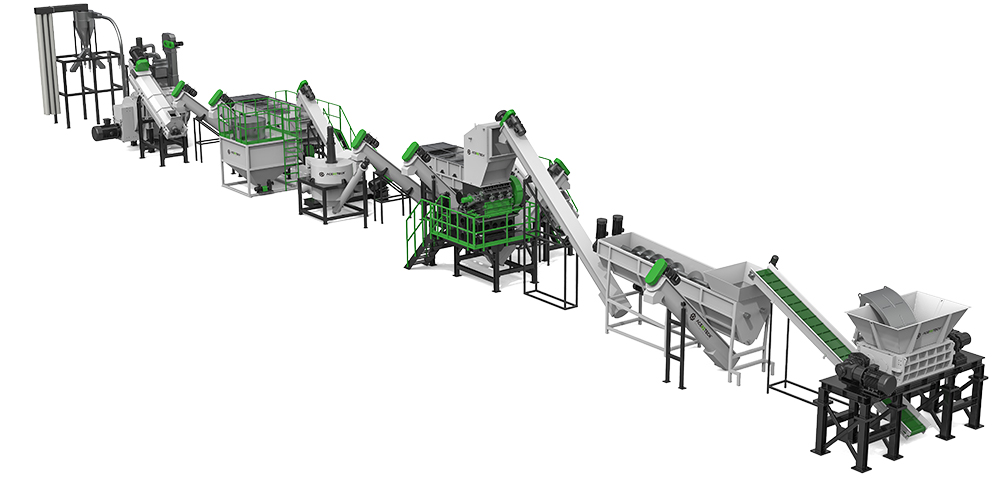 BENK-PWL-RGD-2000
HDPE/PP rigid plastic washing line
Wash bottles, crates, drums and rigid scrap with five capacity models from 500 to 4,000 kg/h.
View model rangeTurn washed flake into consistent, sellable plastic pellets.
Choose a pelletizing line by bulk density, moisture, filtration level, degassing requirement, pellet shape and target output.
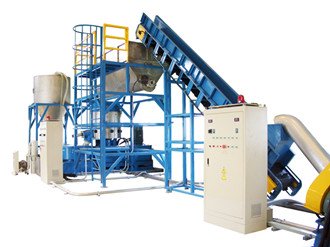 BENK-PRL-PET-1000
PET flake pelletizing line
Turn washed PET flake into rPET pellets with six models from 300 to 2,000 kg/h and optional SSP for IV control.
View model rangeBENK-PRL-FLM-800PE/PP film pelletizing line
Convert washed film, woven bags and drip tape into dense pellets with five models from 300 to 1,300 kg/h.
View model rangeBENK-PRL-RGD-1000HDPE/PP rigid plastic pelletizing line
Pelletize washed HDPE/PP flakes with six model points from 100 to 1,000 kg/h and single- or two-stage extrusion options.
View model rangeDifferent outputs need different models — not a single oversized machine.
Every family includes multiple capacity points. Final motor size and utility data are confirmed after the material test and process review.
| Model | Process line | Reference range | Output focus | Typical fit | |
|---|---|---|---|---|---|
| BENK-PWL-PET-1000 | PET bottle washing line | 500–6,000 kg/h | <1% moisture | <100 ppm target | View → |
| BENK-PWL-FLM-800 | PE/PP film washing line | 300–2,000 kg/h | <2% flake moisture | 6 capacity models | View → |
| BENK-PWL-RGD-2000 | HDPE/PP rigid washing line | 500–4,000 kg/h | <1% flake moisture | 5 capacity models | View → |
| BENK-PRL-PET-1000 | PET pelletizing line | 300–2,000 kg/h | rPET pellets | SSP optional | View → |
| BENK-PRL-FLM-800 | PE/PP film pelletizing line | 300–1,300 kg/h | Compactor feed | Water-ring cutting | View → |
| BENK-PRL-RGD-1000 | HDPE/PP rigid pelletizing line | 100–1,000 kg/h | Single/two-stage | Vacuum degassing | View → |
One engineering team from material review to stable production.
BENK engineers and manufactures plastic extrusion, washing and pelletizing equipment in Zhangjiagang, China. The recycling team works from a material sample and target output through layout, machine selection, factory testing, installation and operator training.
Long-running engineering and manufacturing experience in plastic extrusion and recycling equipment.
Washing stages, drying method and pelletizing configuration are selected from the actual feed and contamination profile.
Line sections are assembled and trial run before shipment, with output and operating records for the agreed test material.
Process design, plant layout, utilities, installation, commissioning and training can sit under one project team.
Quality-controlled fabrication and assembly with CE-compliant electrical and safety components.
Remote diagnostics, spare parts and process optimization support for the operating life of the line.
Washing line and pelletizing line are two different investment decisions.
A plastic washing line controls contamination, moisture and flake quality. A plastic pelletizing line controls melt quality, filtration, degassing and pellet consistency. Buying them as one vague “recycling machine” often hides the real bottleneck.
BENK helps recyclers compare PET bottle washing lines, PE film washing lines, PP woven bag recycling lines and HDPE rigid plastic washing lines separately from PET, PE/PP and HDPE/PP pelletizing systems. If the project needs a turnkey plastic recycling plant, the two stages are then matched through one mass balance and one technical offer.
Material preparation
Sorting, crushing, friction washing, float-sink separation, dewatering and drying.
Melt conversion
Compaction or feeding, extrusion, filtration, vacuum degassing and cutting.
Output specification
Moisture, impurities, colour, bulk density, pellet shape and filtration level.
Cost per usable tonne
Energy, water, labour, yield, uptime and spare-parts consumption.
Useful reading before you compare plastic recycling line prices.
These practical guides explain how capacity, contamination, drying and pellet quality decide the real cost and return of a washing or pelletizing line.
How to choose the right washing line capacity
Why nominal kg/h is not enough, and how to size washing, drying and pelletizing as one mass balance.
Read the guide → PET recyclingPET bottle to rPET pellets: the complete route
From bale opening and hot washing to filtration, vacuum degassing, pelletizing and optional SSP.
Explore PET processing → Film & rigidWhy drying determines pellet quality
How moisture, bulk density and contamination change the choice between film and rigid pelletizing systems.
Compare line options →Send the material and capacity target. BENK will map the closest washing and pelletizing models before you request a formal quotation.
Get a recommended model, budget range and delivery estimate.
Give BENK the material, contamination level, target output and end product. Our engineers will review the duty and reply with a sized washing or pelletizing line — not a generic catalogue answer.