WDP-12 · Complete door systems
Integrated WPC Door Panel and Frame Production Line: Match the Parts Before You Scale the Output
A panel line and a frame line can both run well and still make a door that is difficult to assemble. Integration starts with dimensions, not with placing two machines under one roof.
Technical review: BENK Machinery · Updated 6 November 2026
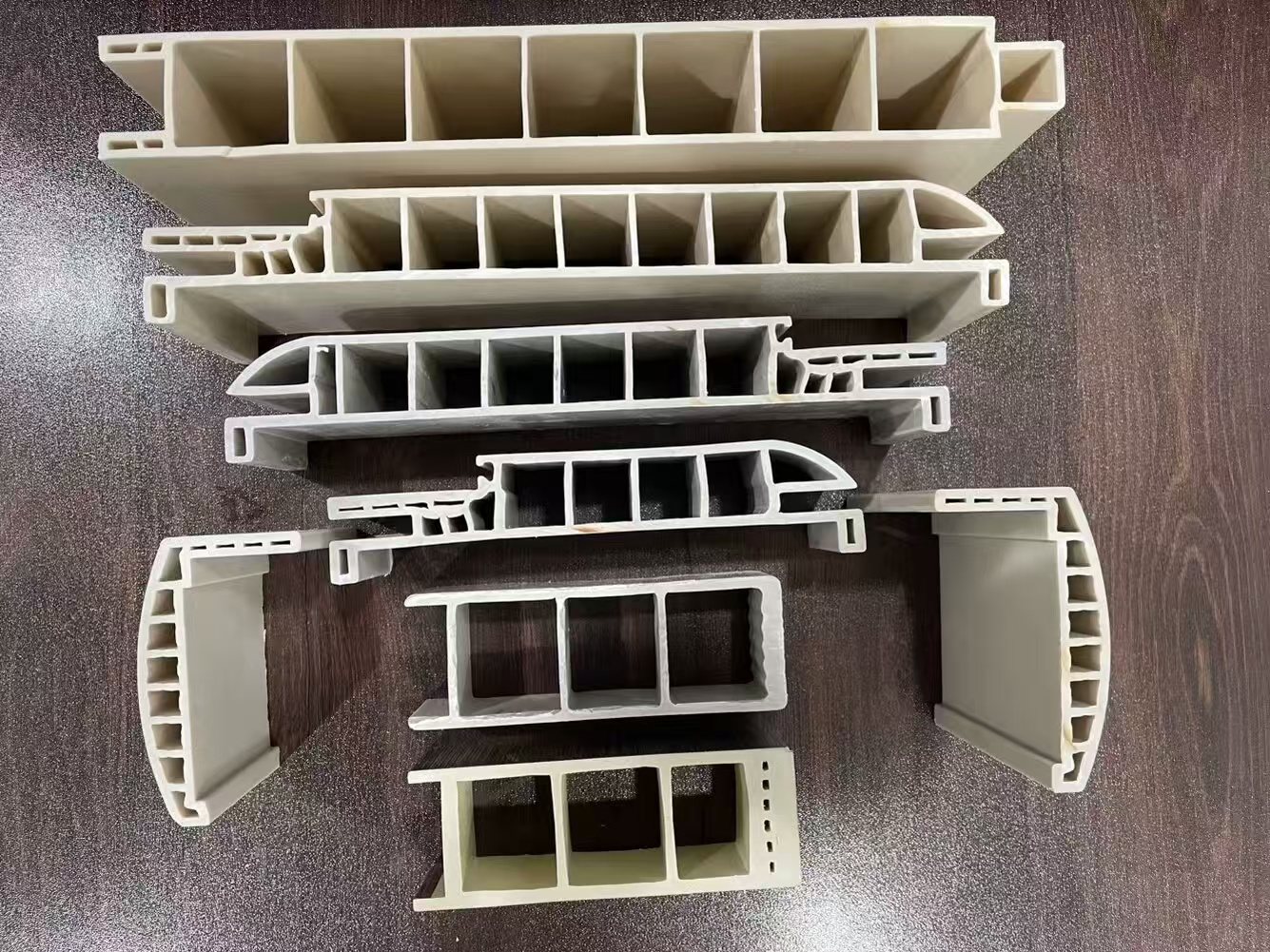
Many factories begin with a door panel and add frames later. That sequence can work, but the second line needs to match the first. Panel thickness, frame rebate, architrave profile and hardware positions should be designed as one system.
This page explains how an integrated WPC door panel and frame production line can reduce mismatch and make better use of shared material preparation, utilities and packing.

The dimensions that connect the two products
The panel thickness must fit the frame rebate with the intended clearance and seal. The frame depth must suit the wall opening and architrave. Hinge and lock positions also have to work with the selected panel section.
These are not sales details. They decide whether the finished door can be installed without trimming, packing or extra site work. The drawings should be approved before either die is made.
- Panel thickness and frame rebate
- Door clearance and seal compression
- Hinge and lock reinforcement
- Architrave coverage
- Panel length and frame assembly tolerance
Where integration improves the factory
A shared material preparation area can reduce duplicate mixing and storage. Shared utilities and maintenance planning can also lower the learning curve. If the panel and frame lines are close, the team can inspect an assembled sample during the same shift and correct a mismatch earlier.
Integration does not mean every machine must be identical. The panel line needs a wide die and long cooling table; the frame line needs smaller tooling and faster profile handling. The value comes from a common product standard and a coordinated layout.
How BENK plans the combined scope
BENK can review the door panel line and the WPC door frame and cover line as one project. The scope may include shared material preparation, matching drawings, separate extrusion sections and a joint trial that assembles a sample door.
The factory layout should be checked before shipment. Panel storage, frame racks, hardware assembly and packing all need space, and a line that fits on paper can still block the aisle in real production.
- Panel and frame drawings reviewed together
- Material formula coordinated across both lines
- Separate tooling for panel and profile sections
- Joint sample assembly before shipment
- Layout, utilities and storage planned as one project
Production sequence
From material preparation to finished panel
- 01
Define the complete door
Approve panel thickness, frame rebate, seal and hardware.
- 02
Plan both product lines
Select panel and profile equipment around the same product standard.
- 03
Coordinate the formula
Confirm that the same material approach suits both sections.
- 04
Check the layout
Plan material flow, storage, assembly and packing.
- 05
Run the panel trial
Approve the board dimensions and surface.
- 06
Run the frame trial
Approve the profile, straightness and rebate.
- 07
Assemble a sample door
Check the fit before the project is accepted.
Reference window
Reference specification and planning range
The figures below are a starting point for discussion. The final line specification should follow the approved panel drawing, material formula and trial result.
| Item | Reference / planning note |
|---|---|
| Panel line | WPC door board extrusion with width and thickness confirmed for the door system |
| Frame line | WPC door frame, cover and architrave profile production |
| Shared material | Material preparation and formula coordination where practical |
| Fit control | Panel thickness, rebate, seal and hardware checked together |
| Trial | Separate board and profile runs plus an assembled door sample |
| Layout | Material flow, storage, assembly and packing planned together |
How BENK fits the project
Where the BENK line supports the result
BENK can plan a WPC door panel line and a door frame/cover line as one project. The machines remain product-specific, but the drawings, material standard and trial are coordinated so the finished parts fit.
Buyer checklist
What to settle before you compare quotations
- Approve the assembled door drawing before ordering either die.
- Check that the frame rebate suits the panel thickness and seal.
- Plan storage for panels and long profiles separately.
- Confirm material preparation capacity for both lines.
- Assemble a complete sample before shipment acceptance.
Questions buyers ask
WPC door panel line FAQ
Should I buy the panel line and frame line together?
If the factory plans to sell complete doors, planning them together usually reduces fit problems. If the frame line comes later, keep the panel drawing and frame drawing under the same revision control.
Can the same material be used for panel and frame?
It may be possible, but the sections and processing requirements differ. The formula and screw configuration should be reviewed for both products.
How do you check the fit?
Assemble a sample door with the intended panel, frame, seal and hardware. Check clearance, closing force and architrave coverage.
Can BENK supply only one of the lines?
Yes. The panel line or frame line can be supplied separately, while the drawings should still be coordinated with the rest of the door system.
Project brief
Tell us the panel, not just the machine.
Send the panel drawing, material formula, target output and factory location. BENK can then review the line configuration against the actual product.