WDP-15 · Quality systems
WPC Door Panel Quality Control: Build a Test Routine the Line Can Actually Use
Quality control is not a final inspection table at the end of the line. It starts with the raw material and continues through the melt, the die, the cooling table, the cutter and the warehouse.
Technical review: BENK Machinery · Updated 6 November 2026
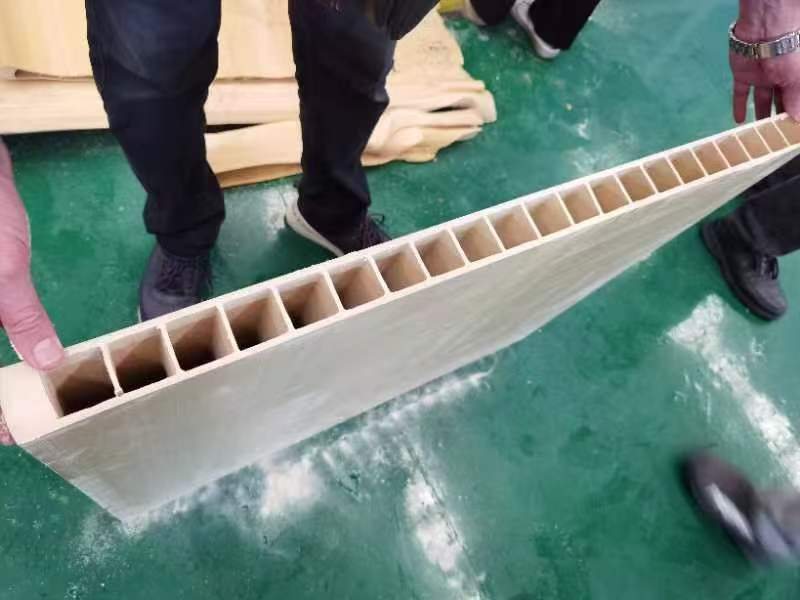
A WPC door panel can pass a visual check and still fail later because the thickness is slightly out, the density varies or the cut edge is weak. The opposite also happens: a good panel is rejected because the inspection method is inconsistent between shifts.
This page sets out a practical quality-control routine for a WPC door panel line. It is written for factory teams that need repeatable checks, not a long list of laboratory tests that nobody performs.
Incoming material checks
Record the supplier, batch, moisture, colour and particle size of the wood powder and filler. For PVC, check the grade and any recycled content. A small change in the incoming material can explain a pressure or surface problem later in the week.
The check does not need to be complicated. A moisture meter, a sieve or particle-size record, a colour sample and a batch log are enough to start building traceability.
- Wood powder moisture and particle size
- Filler grade and bulk density
- PVC grade and recycled content
- Additive batch and storage condition
- Supplier and receiving date
In-process checks
During the run, the operator should watch melt pressure, screw speed, barrel temperatures, vacuum, haul-off speed and cooling water. The quality team should measure panel width, thickness and surface at a defined interval. When a setting changes, the reason and time should be recorded.
The first board after start-up and the first board after a changeover deserve extra attention. Those are the moments when scrap is most likely and when a small adjustment can prevent a long run of rejects.
Finished panel and traceability
Finished panels should be checked for dimensions, flatness, surface, edge quality, weight and any agreed appearance defect. If the product has a density or water-resistance target, the test method and sampling frequency should be written down.
The final record should connect the panel batch to the material batch and line settings. That makes it possible to investigate a complaint without guessing. BENK can include the trial record and recommended inspection points in the line handover.
- Width, thickness and length
- Flatness after cooling
- Surface colour, gloss and texture
- Edge condition and internal section
- Weight and agreed performance samples
Production sequence
From material preparation to finished panel
- 01
Inspect incoming material
Record moisture, grade, colour and batch.
- 02
Verify the formula
Check the weighing and mixing record.
- 03
Monitor start-up
Record temperatures, pressure, vacuum and line speed.
- 04
Check the first board
Measure dimensions and inspect the surface.
- 05
Sample during the run
Take boards at defined intervals.
- 06
Inspect the finished panel
Check flatness, edges, weight and appearance.
- 07
File the record
Link the panel batch to material and machine settings.
Reference window
Reference specification and planning range
The figures below are a starting point for discussion. The final line specification should follow the approved panel drawing, material formula and trial result.
| Item | Reference / planning note |
|---|---|
| IQC | Wood powder, filler, PVC, additives and packaging |
| IPQC | Temperature, pressure, screw speed, vacuum, haul-off and dimensions |
| OQC | Width, thickness, length, flatness, surface, edge and weight |
| Performance checks | Density, water exposure or fire testing according to the product |
| Traceability | Material batch, production date, line settings and operator record |
| Sampling | Start-up, changeover and defined intervals during the run |
How BENK fits the project
Where the BENK line supports the result
BENK can include a practical trial and inspection routine in the line handover. The routine should match the product and the factory's own quality standard, with the buyer's approval for sampling frequency and acceptance limits.
Buyer checklist
What to settle before you compare quotations
- Write a one-page inspection sheet that operators can complete during the shift.
- Calibrate the measuring tools and keep the records.
- Check the first board after every start-up and changeover.
- Keep an approved reference sample for surface and colour.
- Review complaints against the production batch record.
Questions buyers ask
WPC door panel line FAQ
What should be checked on a WPC door panel?
At minimum, check width, thickness, length, flatness, surface, edge quality and weight. Add density, moisture or fire tests when the product specification requires them.
How often should samples be taken?
At start-up, after a changeover and at defined intervals during the run. The frequency should reflect the product risk and the factory's quality system.
What is the most useful quality record?
A record that connects material batch, line settings, operator, measurements and the finished panel batch. That makes complaints and drift easier to investigate.
Can BENK provide acceptance limits?
BENK can recommend trial checks and machine settings. Final acceptance limits should be agreed with the buyer and based on the product drawing and market requirements.
Project brief
Tell us the panel, not just the machine.
Send the panel drawing, material formula, target output and factory location. BENK can then review the line configuration against the actual product.