RTP Engineering Guide
RTP Pipe Jointing, Installation & Testing
A qualified RTP pipe is only part of the system. End connections, handling, bend radius, installation method and pressure testing all affect whether the line performs reliably. Jointing details must be matched to the liner, reinforcement and jacket used by the pipe manufacturer.
Common jointing approaches
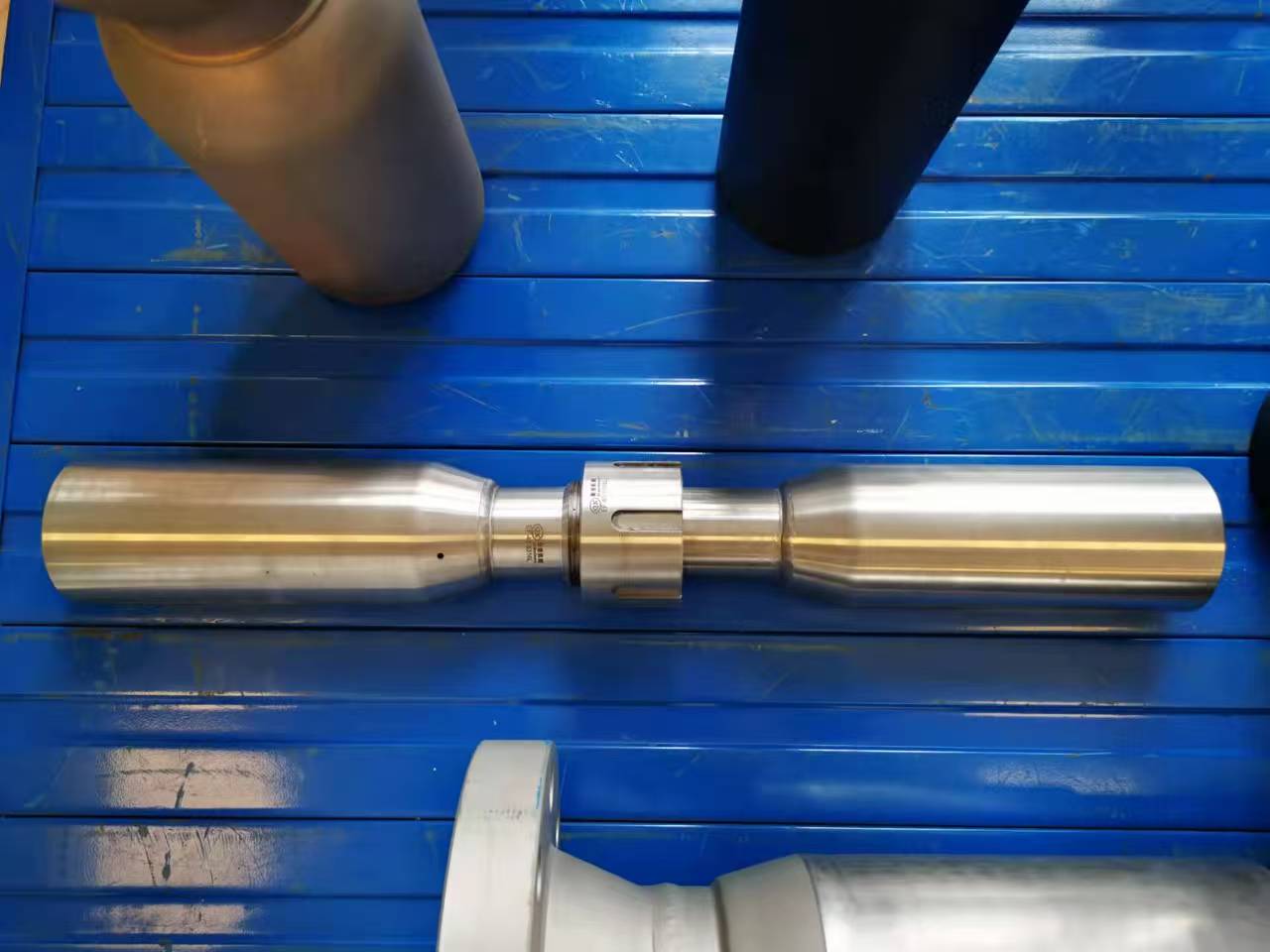
There is no universal RTP connector. The acceptable method depends on the manufacturer’s pipe system, service pressure, temperature, liner material and installation constraints. The options below are general categories, not an instruction to mix fittings and pipe from different systems.
Crimped, swaged or compression-style fittings may be used where they are qualified for the specific pipe. Installation torque, insertion depth and tooling must follow the system procedure.
Flanges can provide a demountable interface to equipment or other pipe sections when the complete connection is qualified for the duty.
Some thermoplastic systems use fusion or electrofusion interfaces. Suitability depends on the liner and pipe system; it should not be assumed for every RTP construction.
Transitions to steel, pumps, valves or headers require a qualified end connection and careful consideration of load transfer and corrosion protection.
Important: never assume that a fitting qualified for one RTP make, liner or reinforcement schedule is interchangeable with another. Mixing components can invalidate the pressure rating and project approval.
Installation considerations
Testing and qualification
The test program depends on the product standard, project specification and pipe design. A typical qualification and production test plan may combine material checks, dimensional inspection, pressure testing and destructive tests. The exact acceptance criteria must be agreed before production.
BENK scope and limits
BENK supplies RTP production-line equipment and can integrate selected inline inspection and handling equipment. BENK does not automatically supply the end fittings, installation contractor or final product certification. Those elements must be defined with the pipe system owner and the project specification.
For a complete system, the pipe manufacturer, fitting supplier and installer should confirm compatibility and qualification as one scope. Production equipment alone does not certify a joint or an installed pipeline.
Plan jointing and testing with the production line
Tell us the pipe construction, jointing method and test plan. We will help align the production, handling and inspection scope without making unsupported claims.